
I built not one but two SaaS companies to over $3 million in ARR before I turned 30. The first one took nearly a decade , and then I lost 90% of the revenue overnight. The second took a fraction of the time because of everything I learned from the first. Here's the full story.
The Early Hustle: Arbitraging Electronics at 14
Growing up in a Korean immigrant family in Vancouver, hard work was always instilled in me. While I never considered myself a founder, I was always entrepreneurial , building, crafting, and tinkering. My first real side hustle was buying and reselling retail electronics on Craigslist. I'd go to discount stores, buy tablets and computers in bulk, and flip them for a tidy markup.
Each sale taught me how to spot underserved opportunities, negotiate on the fly, and take calculated risks. Over a couple of years, I made enough to pay for my first few years of university. I was that 14-year-old meeting people in parking lots negotiating prices , and thankfully my parents thought it was cool enough to let me keep going.
From Computer Science to Coastline Market
After high school, I went to the University of British Columbia (UBC) to study computer science and business. My plan was the traditional path: work at Google, Microsoft, or Facebook as a product manager, then eventually start something of my own. But during university, that plan fundamentally changed.
A friend whose family had been in the lobster fishing industry in northern New Brunswick kept seeing the same problem: fishermen were earning pennies on the dollar. The industry was full of middlemen, the supply chain was fragmented and antiquated, and nobody was doing anything about it.
Being naive 20-year-olds who didn't fully understand how hard this would be, we asked: why don't we fix that? This led to Coastline Market, which later became Freshline. The idea was simple , democratize access to small-scale fishermen and help them sell direct to restaurants.
The Airport Security Line That Changed Everything
We skipped class, flew to the biggest seafood expo in Boston, showed up with hastily printed brochures from Staples, and pitched our idea to everyone who would listen. The result? A 100% rejection rate over two full days.
I was standing in the airport security line, recapping with my co-founder on the phone, when the guy next to me tapped my shoulder. He'd overheard our pitch, attended the same expo, and was dealing with the exact problem we wanted to solve. In a crazy twist of fate, he became our first enterprise customer. That one conversation changed the trajectory of the company forever.
Scaling to $3M and the Forbes 30 Under 30
After going full-time, things picked up fast. We raised about $2.5 million, got into Techstars, and made the Forbes 30 Under 30 list at age 22. We built North America's first demand-driven seafood marketplace where supply could be pre-reserved and caught by a network of fishermen, cutting out the middlemen.
We grew the company to about $3 million in revenue with a team of 12–13 people. But it wasn't smooth sailing.
The Painful Lessons Nobody Sees
At one point, we fronted $250,000 on a lobster shipment that got delayed by three weeks. The buyer threatened to cancel, and a painful three-way translated call in English, Korean, and Chinese is what saved it. Another time, we had over $100,000 in live lobsters stuck in customs because we had the wrong import license. A competitor stepped up with the right license, and we delivered everything in rented U-Haul vans.
Beyond the war stories, the business model had structural problems we were brute-forcing through. While on the path to profitability, we were still bleeding money across engineering, operations, and design. But from the outside, everything looked rosy , press mentions, investor interest, and a Series A fundraise on the horizon.
When COVID Wiped Out 90% of Revenue Overnight
COVID hit right as we were gearing up for our fundraise. As a company at the nexus of logistics, seafood, and high-end restaurants, we were operating in three of the worst-hit sectors. We went from over $3 million in revenue to less than $100,000 basically overnight.
That was one of the lowest points of my life , not just because the business was struggling, but because I genuinely thought Freshline was my one shot. But we didn't sit around feeling sorry for ourselves. Our investors and advisors were supportive: have a bias to action.
We went through four to five micro-pivots over six months. First, high-end specialty grocery delivery (wagyu beef, Hokkaido uni). Then, our former competitors , distributors and wholesalers , started coming to us, asking if we could help them sell direct to consumers. That led us to spin our technology into a standalone white-label e-commerce platform for food distributors.
The Idea Behind Supademo
When Freshline transitioned to B2B SaaS, success was measured by how many demos we could book. We tried using video tools like Loom to help non-technical audiences understand our product, but it didn't work. They didn't want to sit through a 20-minute passive video.
But when I got people on a live, interactive screen-sharing session , where they could click, ask questions, and explore at their own pace , everything clicked. The problem was, you can't scale one-to-one demos. There just aren't enough hours in the day.
That's where the idea for Supademo came from: a tool that replicates the live demo experience in a self-paced, scalable format.
From Zero to Mid-7-Figures in ARR
My co-founder Koushik and I validated the idea by talking to customers and understanding their workarounds. For the first eight months, it was just the two of us , building and shipping relentlessly. We raised just over $1 million in capital, and to this day we haven't touched it.
Finding early success was all about doing things that don't scale: personally creating demos for users, shipping features daily based on conversations, and talking to as many customers as possible.
In 2024, we went from about $100K to over $1M in ARR with double-digit growth every month. We found three scalable acquisition channels: content marketing, free tools, and community engagement. Product-led SEO was a big part of our growth , programmatic comparison pages drove a 20% visitor-to-signup rate, and interactive tutorials grew to drive over 50% of organic traffic.
Where We Are Today
By the end of 2025: mid-7-figures in ARR, 4x growth from 2024, 20x from 2023. Over 2,500 paying companies, 160,000+ free users across 100+ countries. A team of 15, 100%+ net revenue retention, and G2's #5 fastest-growing product of 2025.
The Lesson: Stay in the Game Long Enough to Get Lucky
It takes incredible persistence, skill, and ultimately luck to be successful. If you're a skilled founder in the right market, you owe it to yourself to stay in the game long enough to get lucky. And when you do, take luck by the horns and ride it.
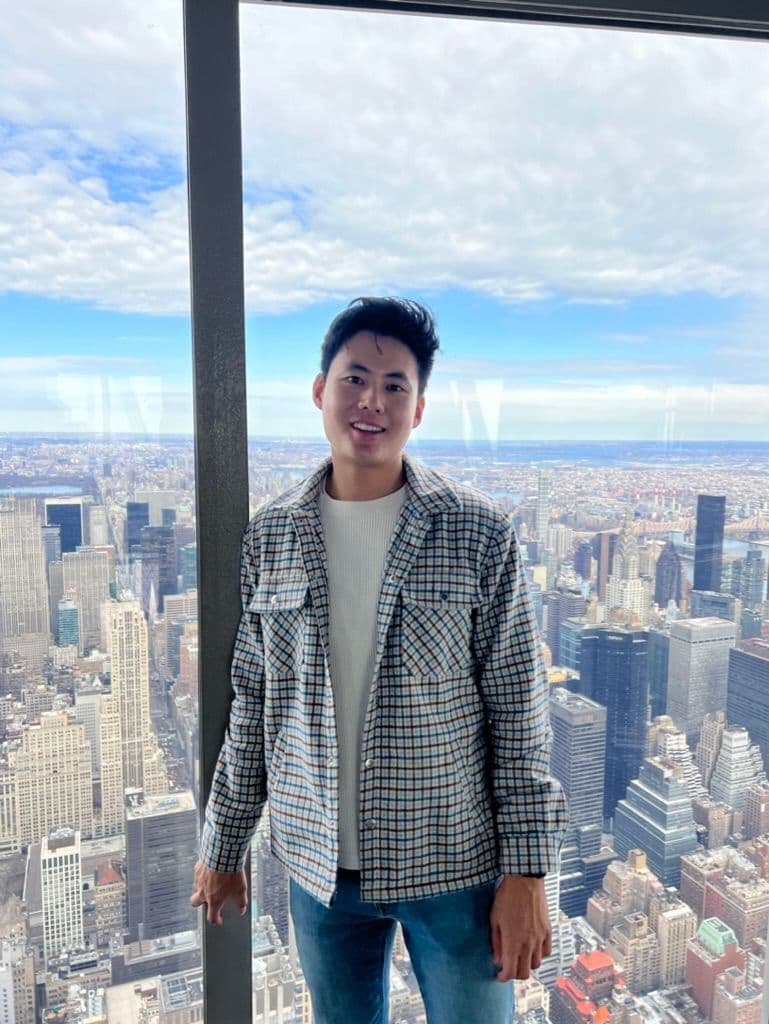
Co-Founder & CEO
Joseph is the CEO and co-founder of Supademo, building AI-driven interactive demo tooling used by 200,000+ founders, marketers, and operators to accelerate product understanding and sales. He’s a two-time startup founder passionate about zero-to-one product building and remote-first company culture.


