How to Automate Freshdesk

Freshdesk automation streamlines repetitive support tasks, reduces manual work, and ensures consistent customer service delivery. This guide walks you through setting up automation rules to handle ticket routing, responses, and escalations automatically.
Quick summary
In this tutorial, you'll learn how to create and configure automation rules in Freshdesk to automatically manage ticket workflows, assign tickets based on criteria, send automated responses, and escalate issues when needed. By the end, you'll have a working automation that saves your support team hours each week.
Why this matters
Automation in Freshdesk eliminates bottlenecks in your support process, ensures tickets are routed to the right agents immediately, and provides customers with faster acknowledgment. This results in improved response times, reduced agent burnout, and higher customer satisfaction scores.
Step-by-step guide
- 1
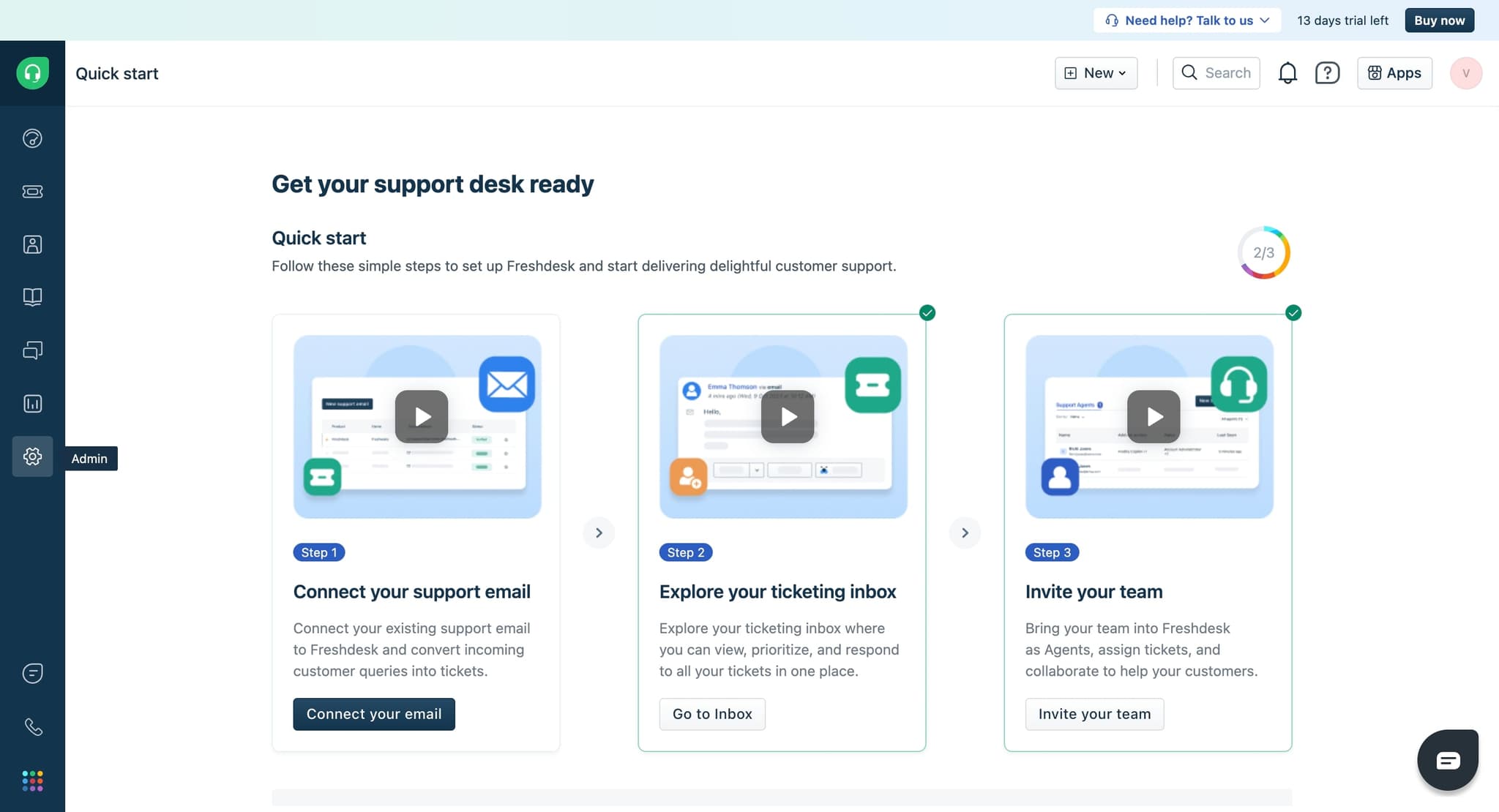
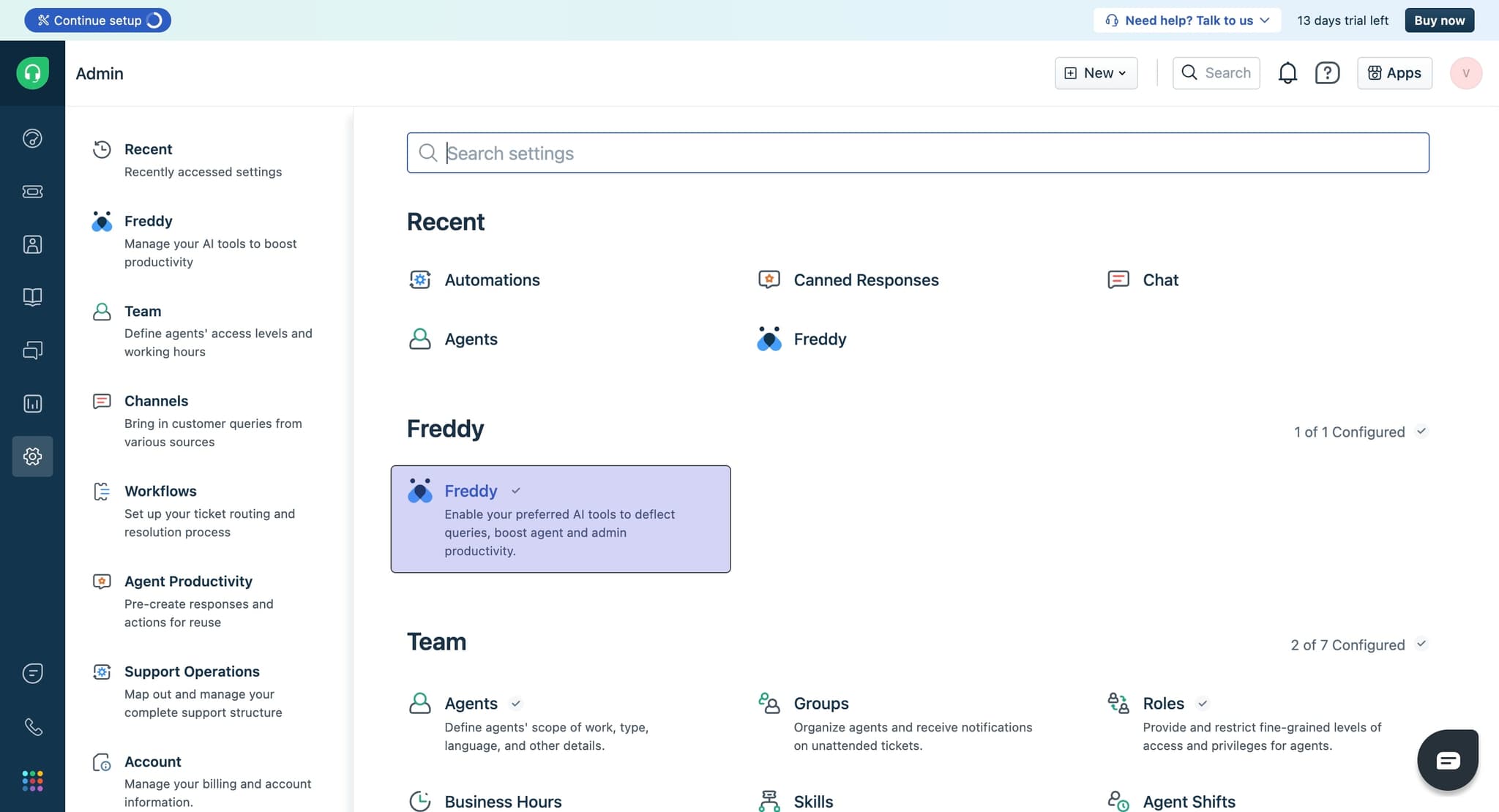
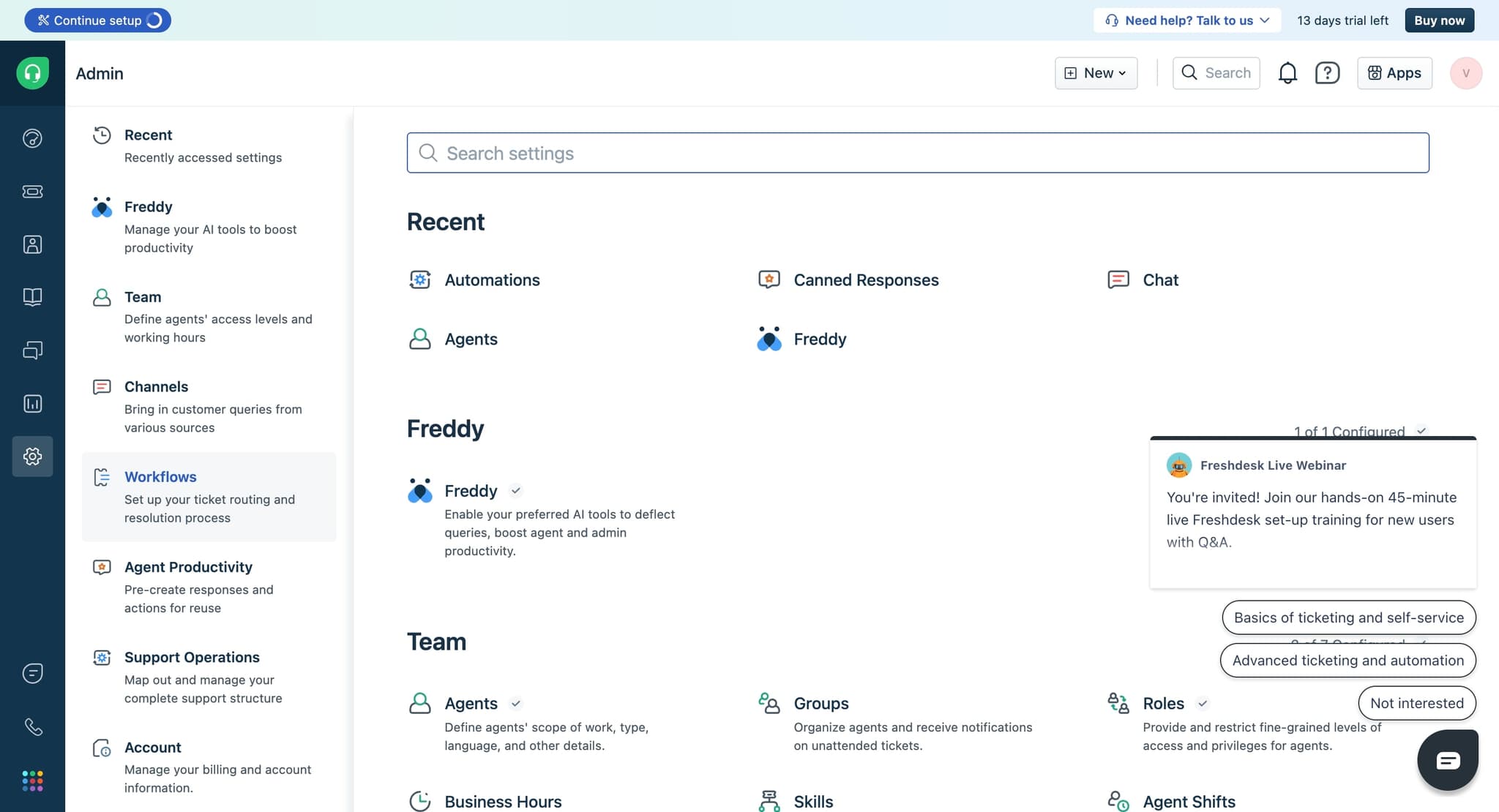
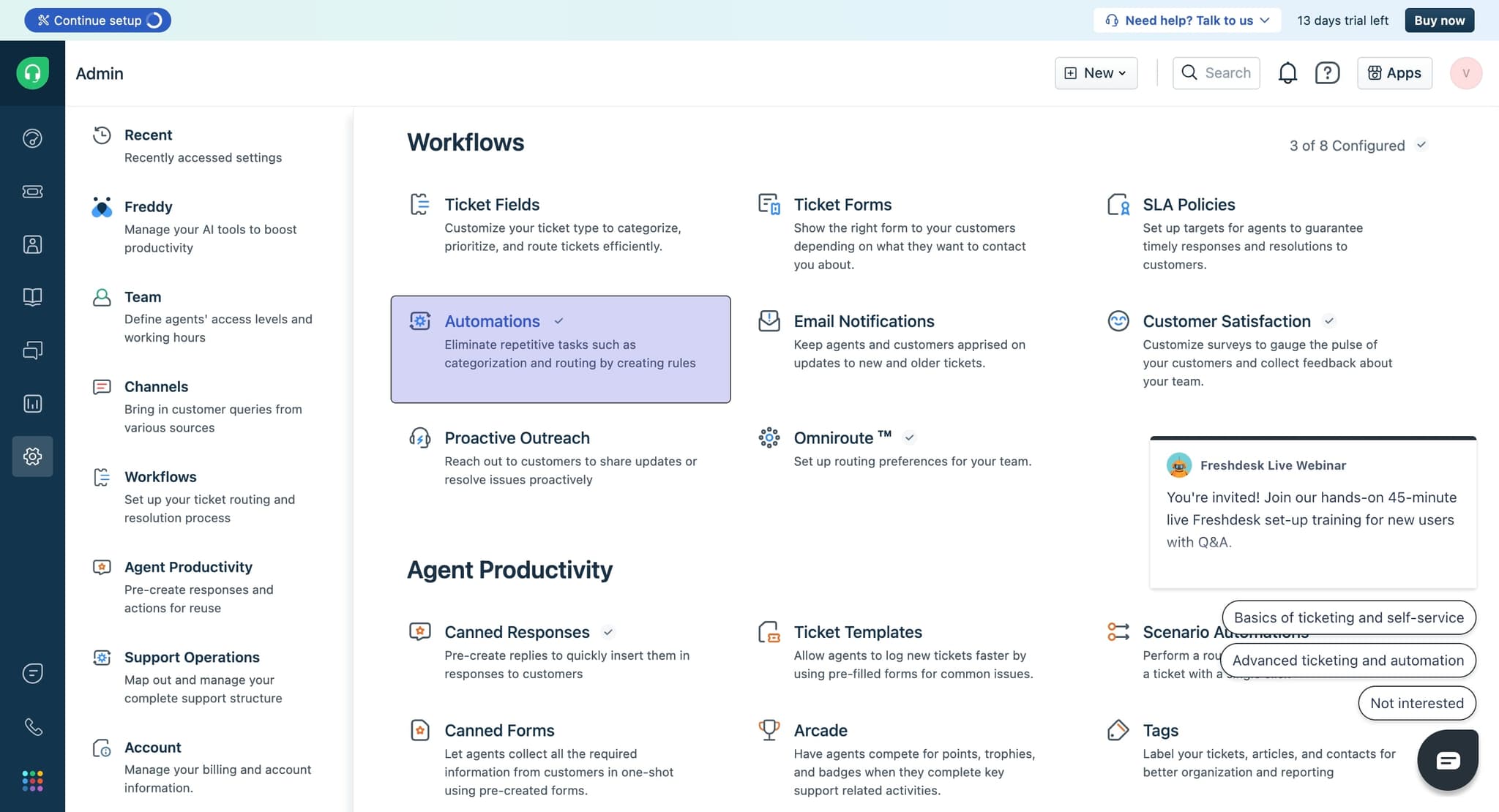
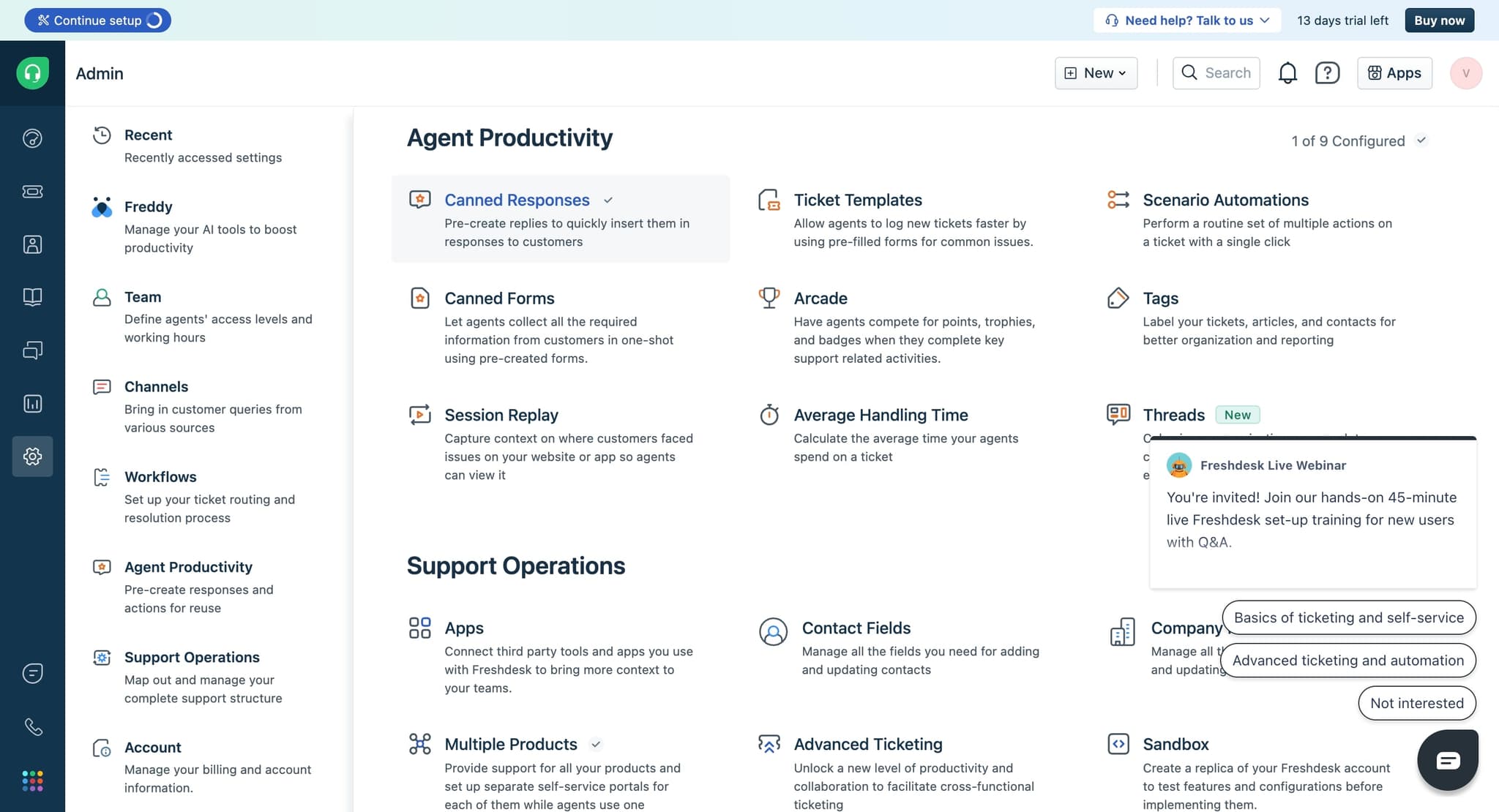
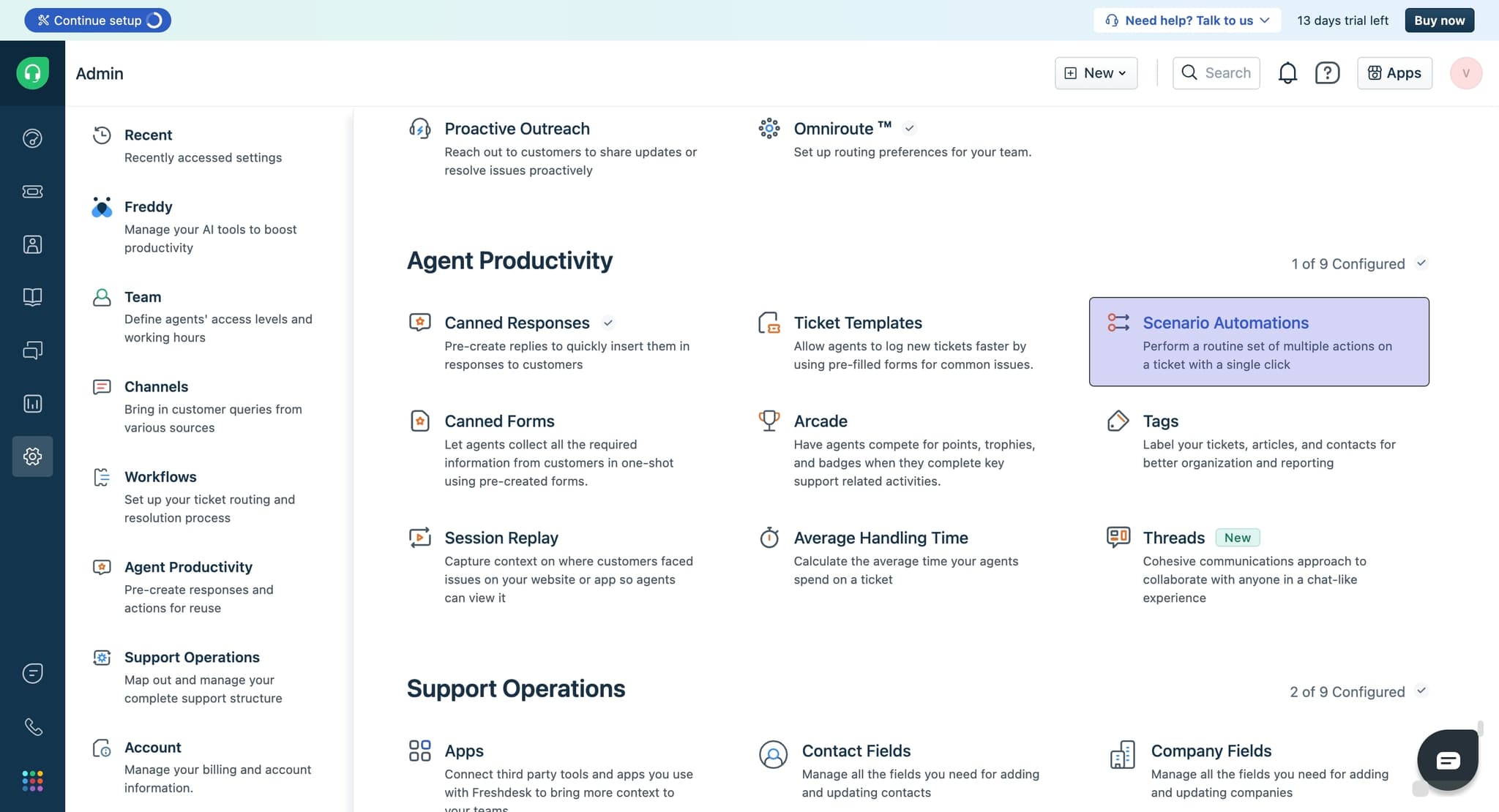
Access the automation settings
Log into your Freshdesk account and navigate to the Settings menu. Select the Automation section from the left sidebar to view and manage existing rules.
- 2
Create a new automation rule
Click the Create Rule button to start building your first automation. You'll be prompted to name your rule and select a trigger event, such as ticket creation or status change.
- 3
Define the trigger conditions
Specify which conditions must be met for the automation to activate. For example, select 'Ticket Source equals Email' to apply this rule only to email tickets.
- 4
Configure the action
Choose what action Freshdesk should perform when the conditions are met. Common actions include assigning the ticket to a group, setting priority, adding tags, or sending an automated response.
- 5
Set priority and review
Assign an execution order if you have multiple automations, ensuring rules run in the correct sequence. Review all conditions and actions, then save your rule.
- 6
Test and monitor the automation
Create a test ticket that matches your trigger conditions to verify the automation works correctly. Monitor your tickets over the next few days to ensure the rule is behaving as expected and adjust if needed.
Frequently asked questions
Common questions about how to automate freshdesk.
Yes, Freshdesk allows multiple automation rules to run sequentially on the same ticket. You can prioritize the order in which rules execute to ensure dependent automations work correctly. Just be careful to avoid creating conflicting rules that might undo each other's actions.
If your rule conditions are too broad, the automation will apply to every ticket that meets those conditions. This can cause unintended bulk actions, so it's important to test with specific conditions first. Start with narrow, specific triggers and gradually expand them once you're confident the rule works correctly.
Yes, you can configure automations to send templated responses to customers automatically. This is useful for acknowledging receipt of a ticket or providing initial information. You can create custom templates in the Canned Responses section and select them in your automation actions.
Limits vary depending on your Freshdesk plan. Most plans support dozens of automations, but enterprise plans may have higher limits. Check your plan details in the Settings panel or contact Freshdesk support if you need clarification on your specific limits.
Test your rule with a ticket that matches its conditions and verify the expected action occurs. You can also view automation activity in your ticket history and check the Automation Audit Log in Settings. If something isn't working, review your trigger conditions and actions to ensure they're correctly configured.