Conditional Branching
Let viewers choose their own path in an interactive demo, so each persona sees the most relevant flow.
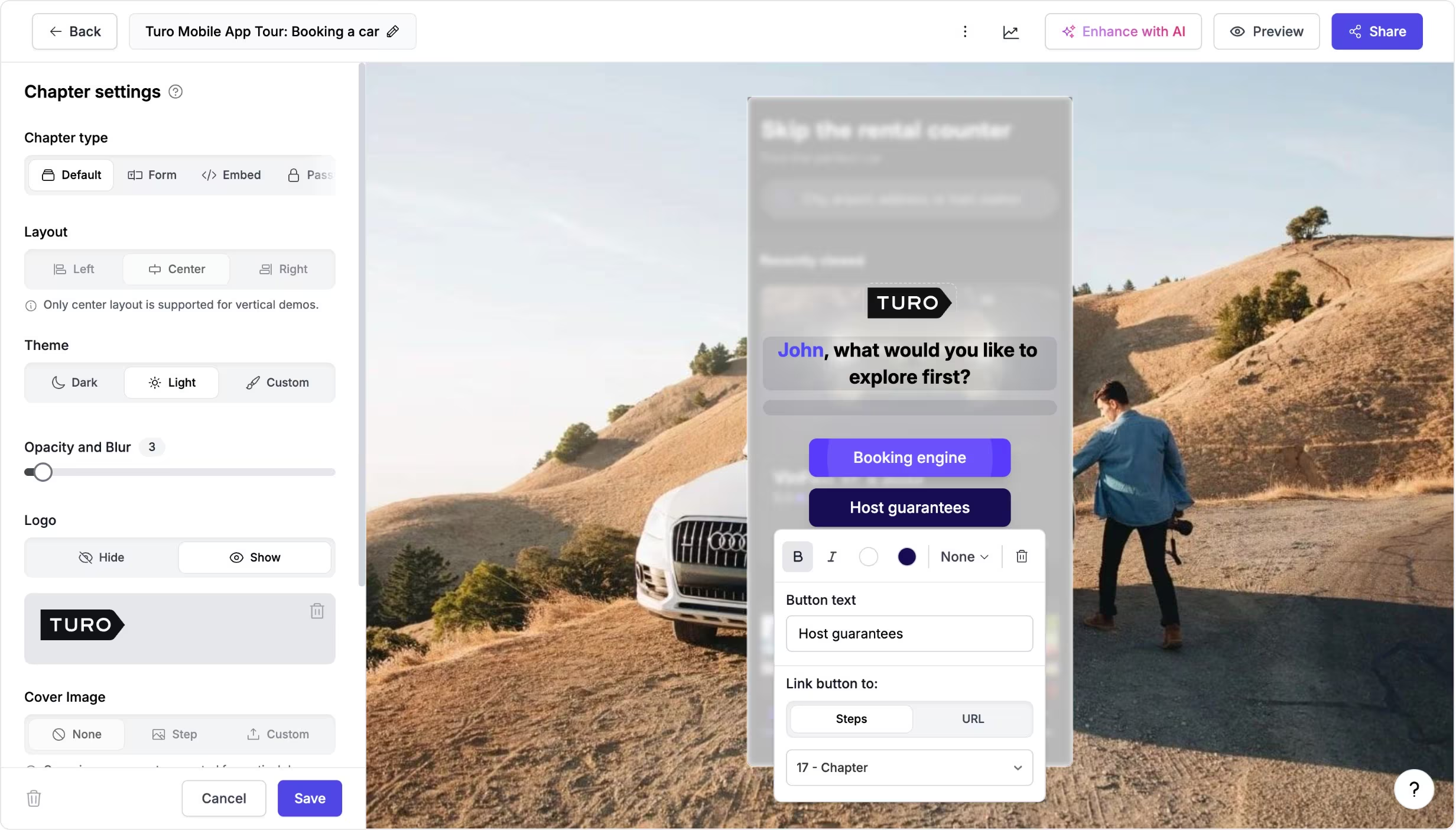
Build choose-your-own-path interactive demos
Conditional branching lets you create multiple paths within a single interactive demo. You can add multiple buttons to a Chapter that send viewers to different steps or URLs, and you can also route viewers based on specific hotspot clicks.
This makes it easy to guide different personas to different outcomes without duplicating demos.
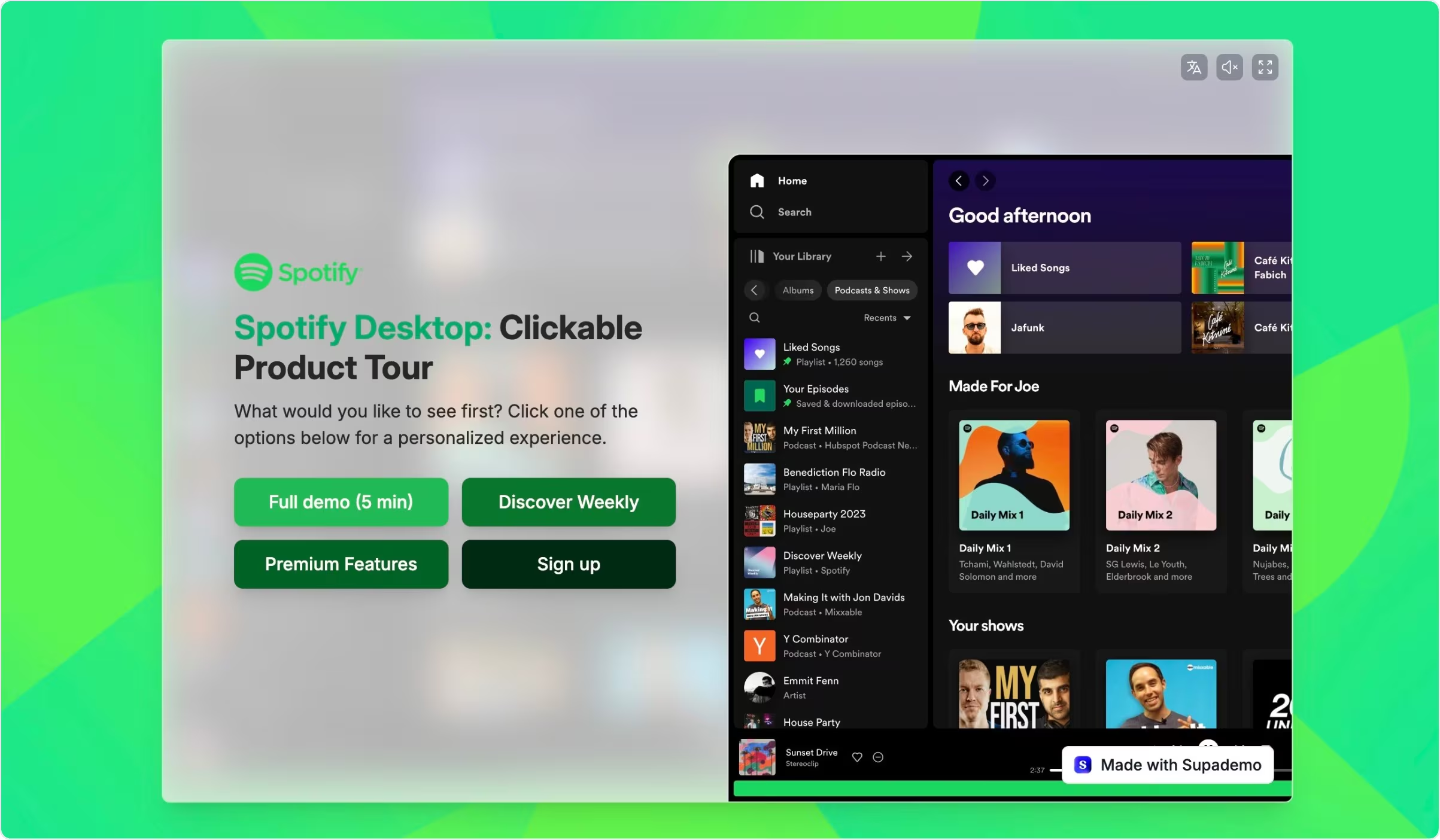
Let viewers self-select the right path
Teams use conditional branching when they want one interactive demo to serve multiple audiences or use cases. It's especially useful for persona-based entry points, feature-based navigation, and self-serve evaluation flows where viewers should immediately jump to what matters most to them.
Branching also helps teams keep demos modular and reusable, while increasing engagement by giving viewers control.
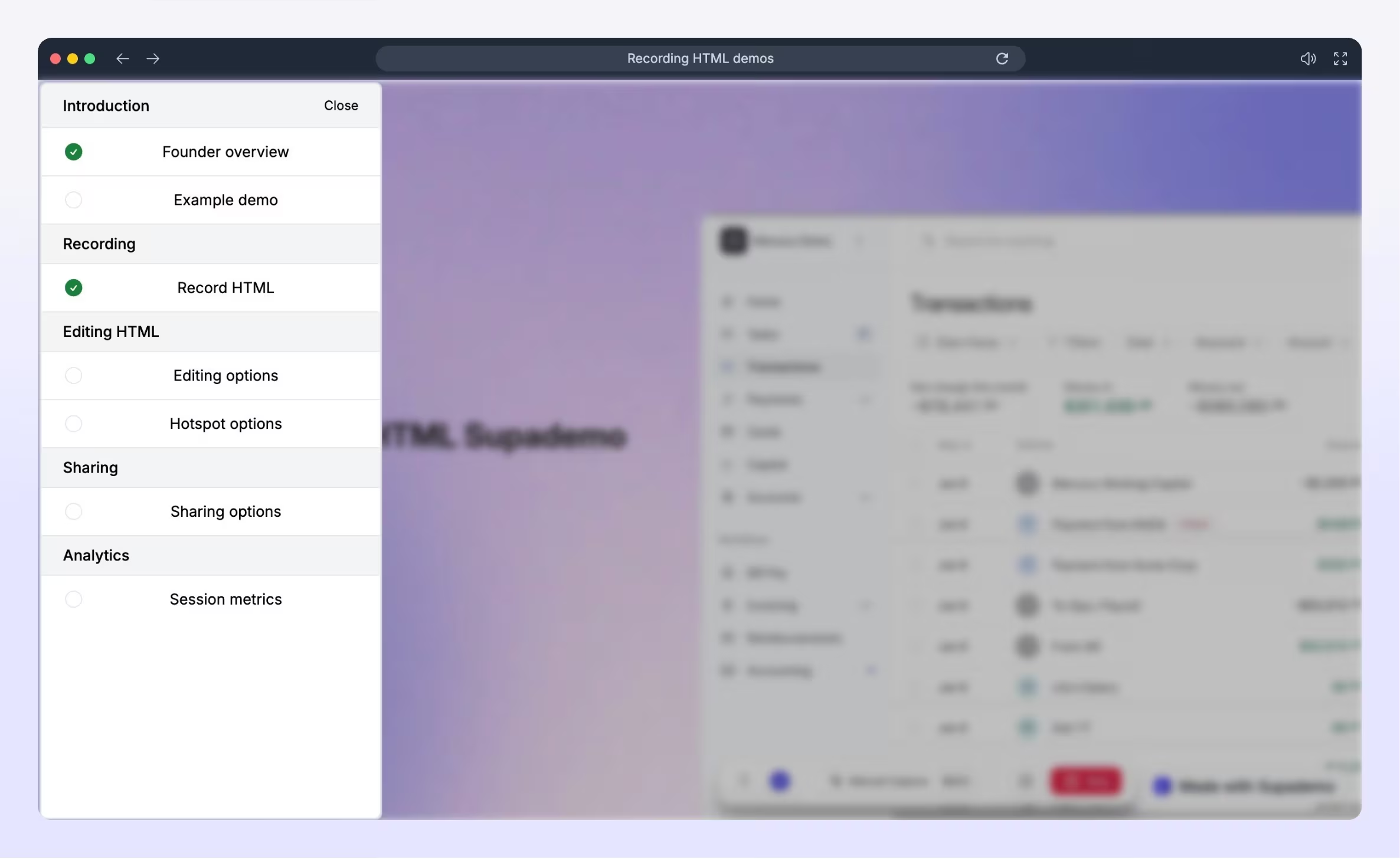
Experience instantly, interactively
Explore how can set up any of the two types of conditional branching in Supademo.
Explore More Features
FAQs
Commonly asked questions about conditional branching. Have other questions? Reach out and our team will be happy to help.

Conditional branching lets viewers choose different paths within an interactive demo, routing them to specific steps or URLs based on buttons in chapters or hotspot interactions.
You can apply branching at the chapter level using multiple buttons, and at the hotspot level by setting unique navigation targets for specific hotspots.
Popular patterns include persona selection, "show me this feature" paths, routing to different sections of a longer demo, and linking out to a relevant next step based on what the viewer chooses.