Free Interactive Roadmap Maker
Build interactive product roadmaps that stakeholders actually explore. Replace static slides and spreadsheets with clickable, visual roadmaps that showcase features with demos, timelines, and tracking. Better than Aha! or Productboard for communication.
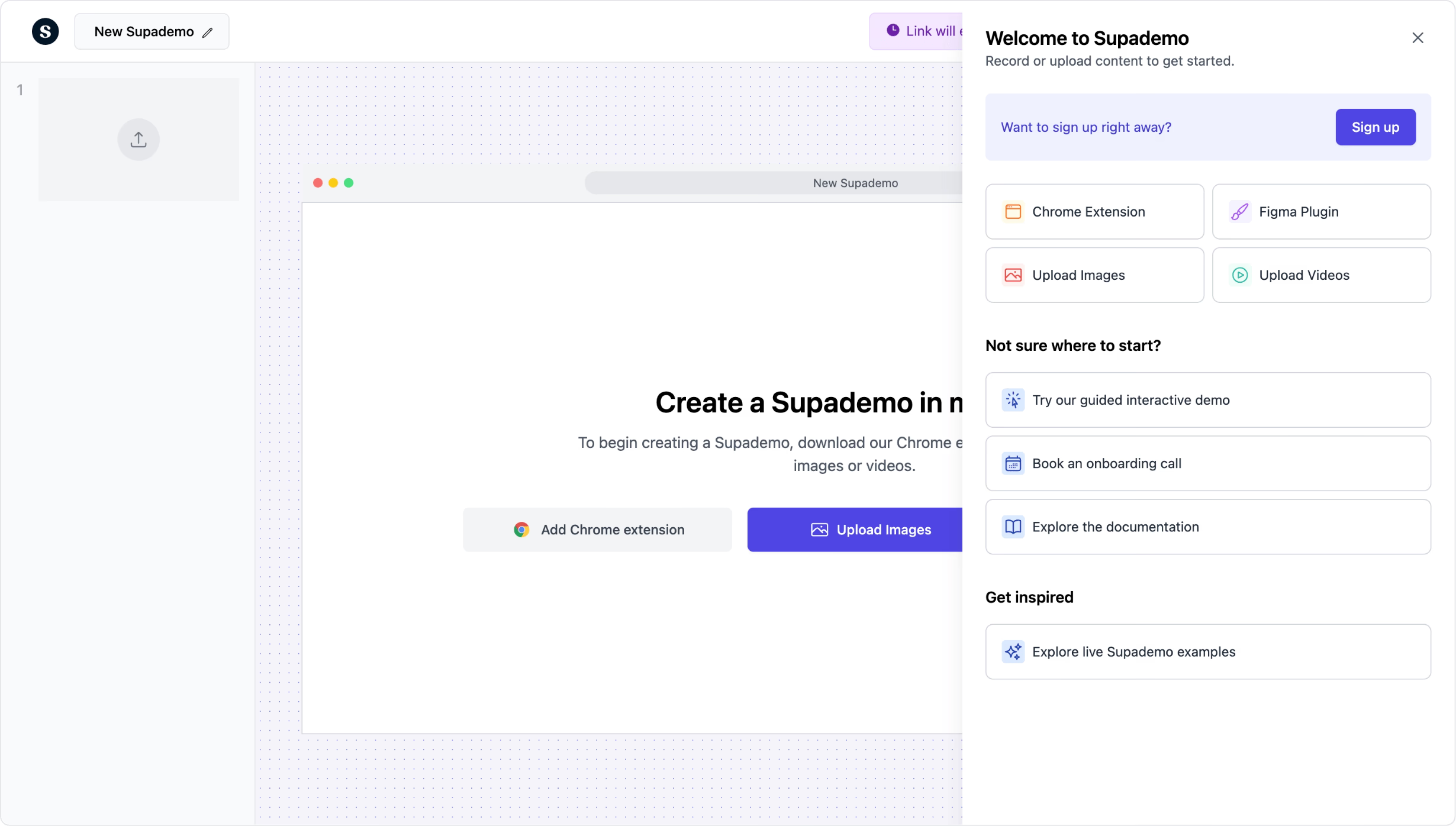
Build interactive roadmaps stakeholders actually explore
Try it freeTrusted by 200,000+ top operators and 3,000+ paying organizations


How to create an interactive roadmap with Supademo
Capture or upload your roadmap visuals
Screenshot your existing roadmap from any tool, upload mockups, or use Supademo's Chrome extension to capture roadmap screens. Build from whatever you already have.
Add interactive demos to milestones
Link each roadmap milestone to an interactive demo that shows the planned feature. Add hotspots, branching, and AI annotations to bring each item to life.
Share and track stakeholder engagement
Distribute your interactive roadmap as a link or embed. Track which milestones stakeholders explore, how much time they spend, and what generates the most interest.

What makes Supademo's roadmap maker different
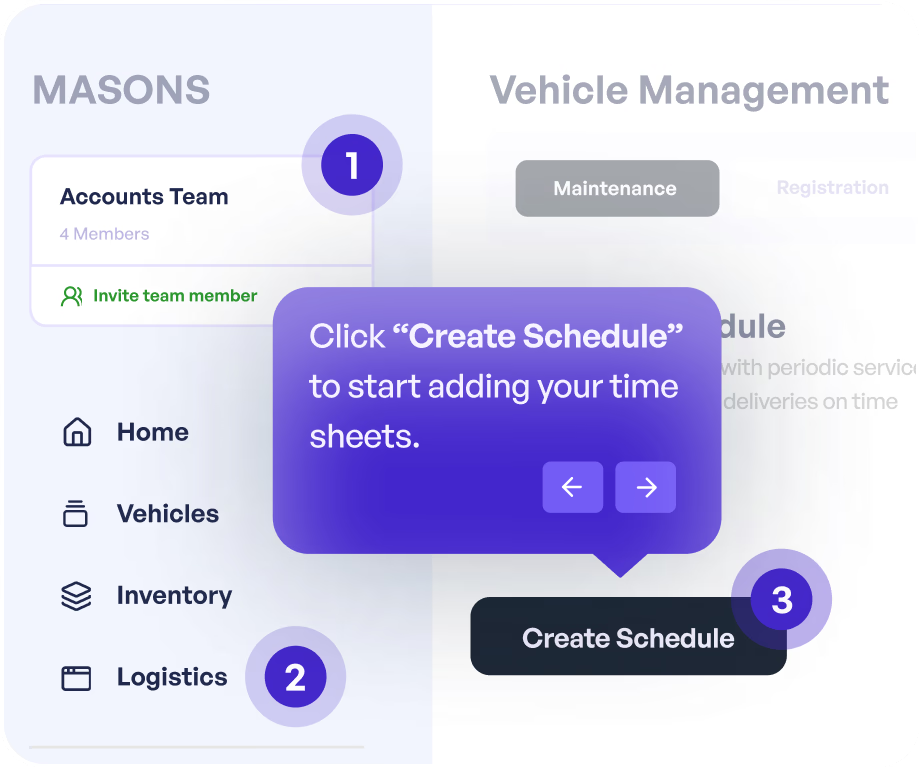
Roadmaps that show, not just list
Aha! and Productboard create lists of features with timelines. Supademo lets stakeholders click into interactive demos of each feature, seeing exactly what is planned rather than reading descriptions.
Explore demo hub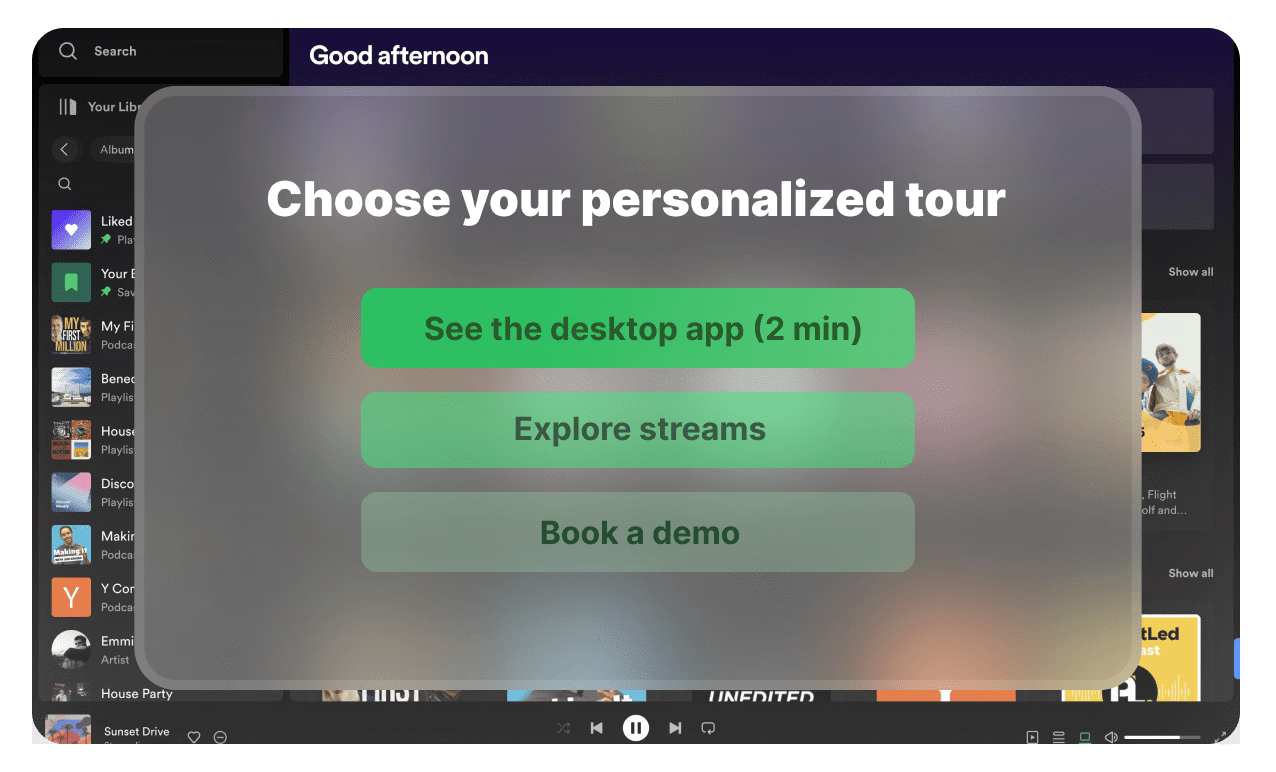
Demo hubs for organized roadmap presentations
Group related features into demo hubs that stakeholders can browse by theme, quarter, or team. Monday boards cannot replicate this level of visual, interactive organization.
Explore showcase collections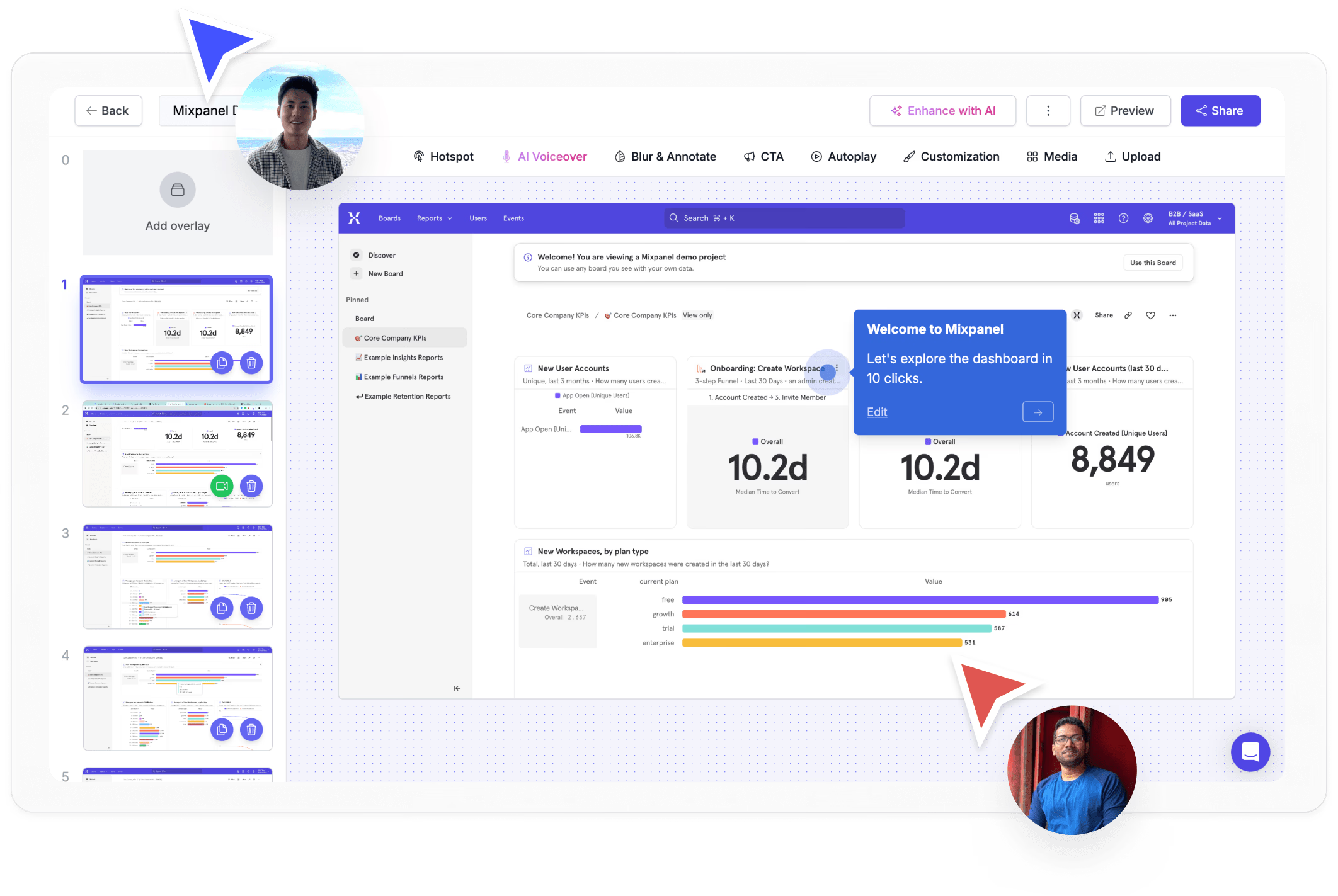
Stakeholder engagement analytics
See which roadmap items generate the most interest. Track time spent per feature, click-through rates on demos, and overall completion. Use this data to prioritize based on actual stakeholder demand.
Explore analyticsWhy we built Supademo's roadmap maker

“Every PM I've worked with has to present roadmaps to leadership teams that prefer seeing the work. Notion spreadsheets with colored cells don't sell internally. With Supademo's roadmap maker, each roadmap item becomes a clickable mini-demo. Stakeholder meetings move twice as fast when leaders can see what they're approving.”

“Gantt-chart roadmap tools optimize for the planning team. They're great for the people building schedules and bad for the people who need to be sold on what's coming. I rebuilt Supademo's roadmap maker so each item is an embedded demo node. Early customer engagement on roadmap reviews ran about 3x what their old roadmaps got.”
Who uses Supademo's roadmap maker?
Visual roadmaps that build buyer confidence
Share visual product roadmaps that build buyer confidence. Supademo's roadmap maker creates interactive previews prospects can explore themselves.
Explore sales enablement
Product roadmaps that tell a compelling growth story
Create product roadmap content that tells a compelling growth story. Supademo's roadmap maker turns plans into interactive, shareable experiences.
Explore product marketing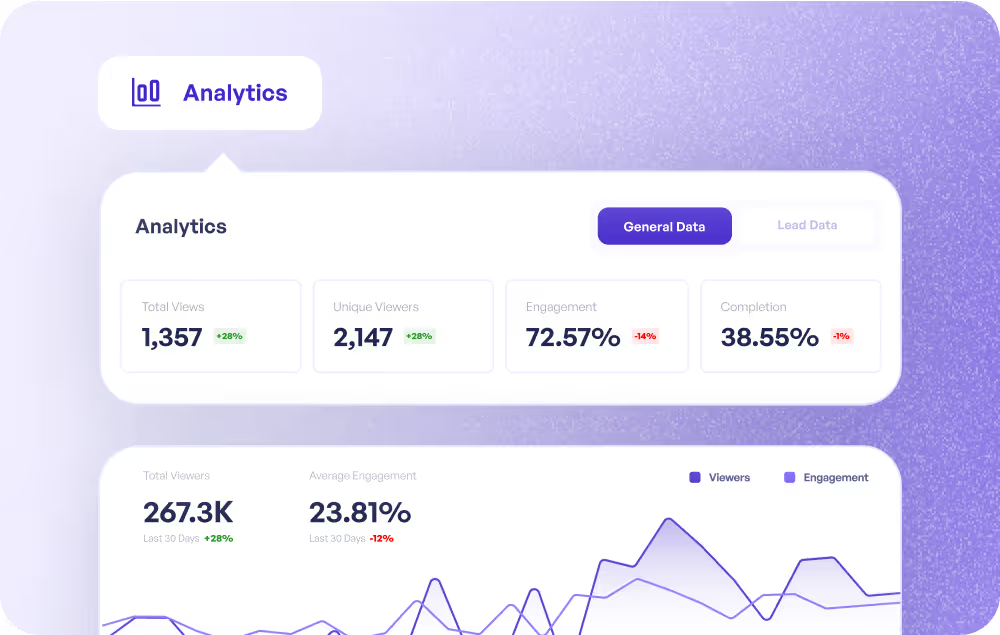
Share what is coming next to drive retention
Share interactive roadmaps showing what is coming next. Supademo's roadmap maker helps CS teams drive retention with forward-looking product visibility.
Explore customer success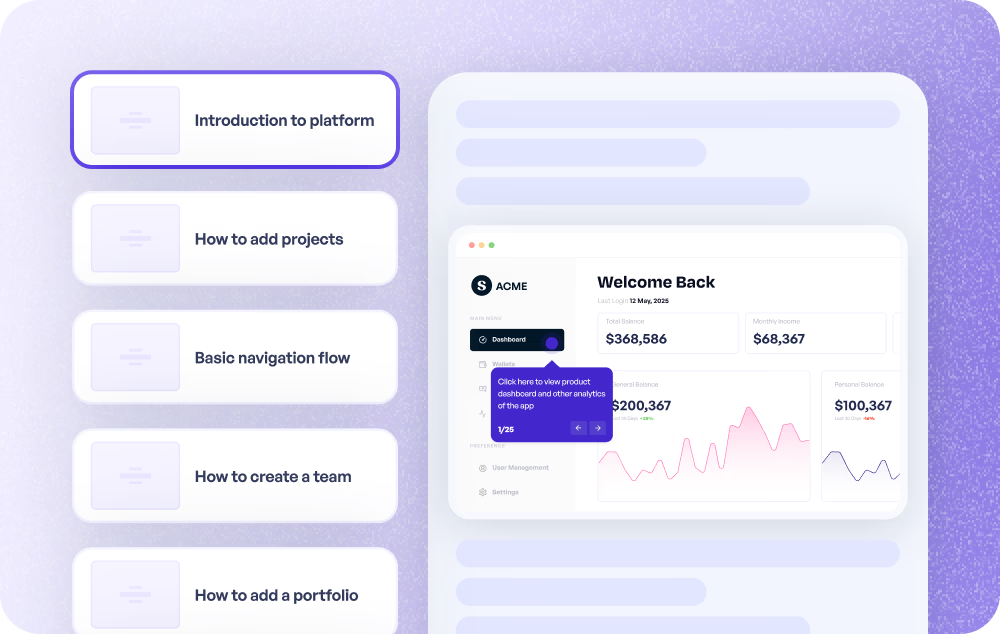
Roadmap visibility that reduces feature-request tickets
Give support teams roadmap visibility to set expectations on feature requests. Supademo's roadmap maker creates shareable product previews.
Explore customer support
Interactive roadmaps stakeholders can explore themselves
Build interactive roadmaps stakeholders can explore themselves. Supademo's roadmap maker turns product plans into clickable, guided experiences.
Explore product use cases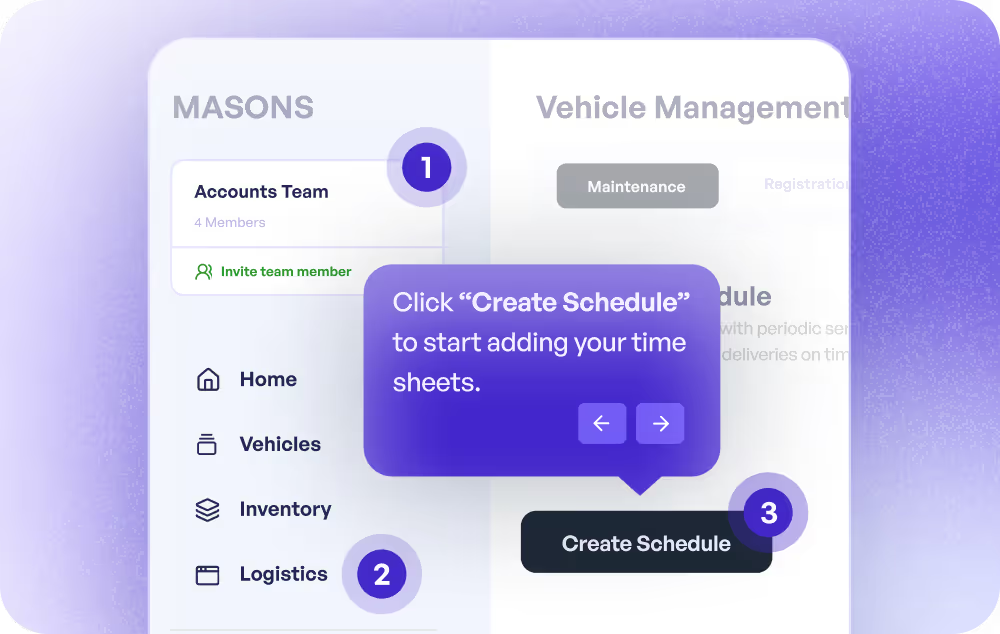
Roadmap walkthroughs for new team member onboarding
Create roadmap walkthroughs for new team member onboarding. Supademo's roadmap maker helps new hires understand product direction from day one.
Explore training use cases
How do sales teams use Roadmap Maker?
Sales teams use Supademo's roadmap maker to create personalized, self-guided product experiences that replace static slide decks and reduce time-to-close.
How do marketing teams use Roadmap Maker?
Marketing teams use Supademo's roadmap maker to create interactive product roadmap content that tells a compelling growth story, turning static plans into explorable experiences.
How do customer success teams use Roadmap Maker?
CS teams share interactive roadmaps with customers to show what is coming next, driving retention by giving accounts forward-looking product visibility.
How do support teams use Roadmap Maker?
Support teams share interactive roadmaps to set expectations on feature requests, reducing repetitive tickets by giving customers visibility into what is planned.
How do product teams use Roadmap Maker?
Product teams build interactive roadmaps with Supademo that stakeholders can click through at their own pace, replacing static slides with guided, explorable product plans.
How do training teams use Roadmap Maker?
L&D teams create interactive roadmap walkthroughs for new hire onboarding, helping team members understand product direction and priorities from day one.
Explore Similar Free Tools
Frequently asked questions
Common questions about Supademo’s roadmap maker. Have others? Reach out and our team will be happy to help.

An interactive roadmap maker creates visual product roadmaps where stakeholders can click into feature demos, explore planned functionality, and engage with the content. Supademo adds interactive demos, analytics, and tracked sharing to every roadmap item.
Aha! and Productboard are project management tools that list features on timelines. Supademo turns each roadmap item into an interactive demo that stakeholders can explore, providing the kind of visual context used in sales demos and stakeholder presentations.
Yes. Each milestone or feature on your roadmap can link to a full interactive walkthrough with screenshots, hotspots, branching, and AI voiceovers. Stakeholders see the feature, not just a description.
Yes. Supademo analytics show which features stakeholders click on, how long they explore each demo, and overall engagement patterns. Use this data to validate prioritization decisions and identify buying signals from prospects reviewing your roadmap.
Yes. Embed your interactive roadmap on your website, customer portal, or internal wiki. It also works as a shareable link for board presentations and investor updates, similar to how teams share interactive slideshows.
Yes. Use Supademo's showcase collections and demo hubs to group roadmap items by quarter, team, theme, or priority. Stakeholders browse the categories that matter most to them. This structure also works well for SaaS sales funnel content.
Yes. Upload screenshots of your current roadmap from any tool, or capture screens with the Chrome extension. Build your interactive version from whatever you already have, and add AI-generated documentation to each item.
Yes, the roadmap maker is free for up to 5 interactive roadmaps on the free plan. Paid plans give you unlimited roadmaps, demo hubs for organizing content, custom branding, team workspaces, analytics, SSO, and SOC 2 Type II compliance.